Background on the Recent Truce
The recent US-brokered truce between Israel and Lebanon was seen as a significant step towards stabilizing the region. This agreement aimed to reduce tensions following a series of escalations that threatened broader regional security. However, the recent military action by Israel in a Beirut suburb has raised questions about the sustainability of such peace agreements.
Details of the Strike
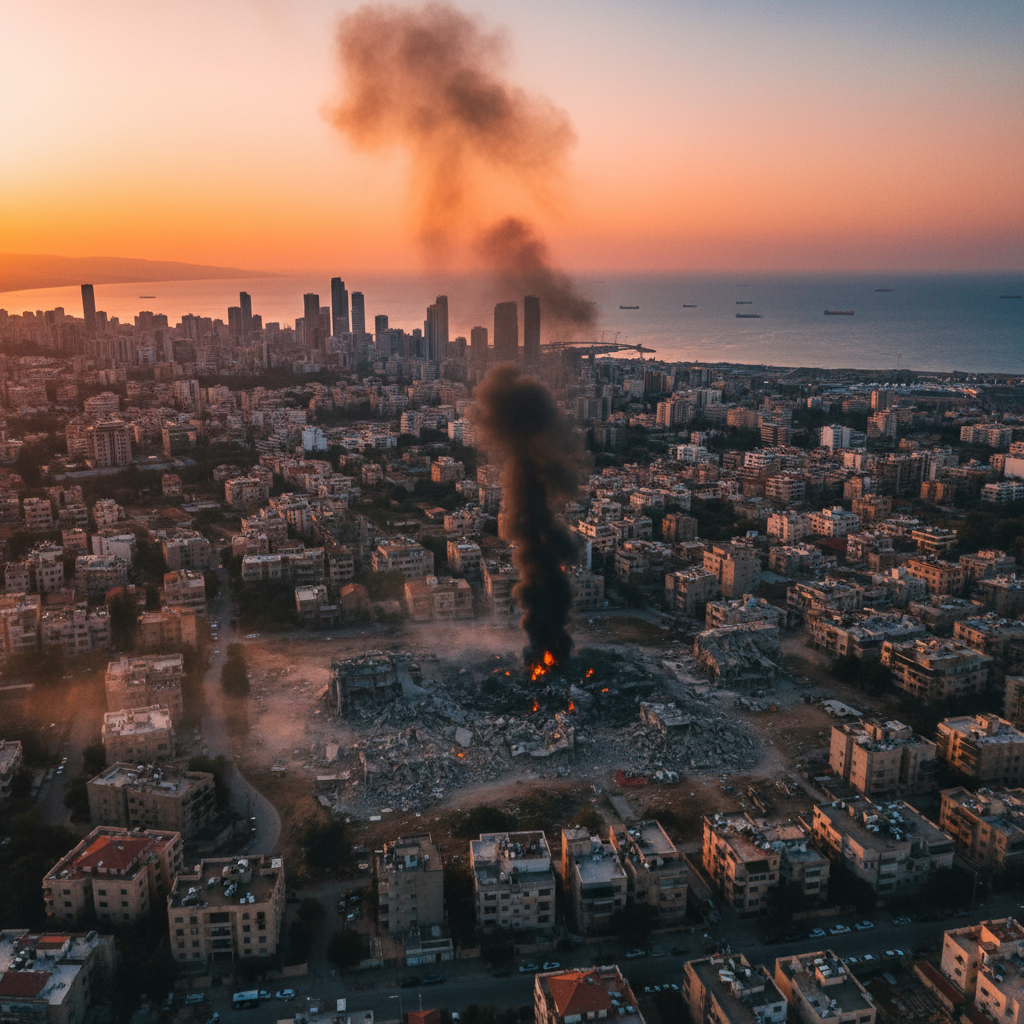
On [insert date], Israeli forces conducted an airstrike on a suburb of Beirut, targeting what they described as a militant stronghold. The suburb, known for its dense population and strategic significance, was hit with precision strikes aimed at minimizing civilian casualties while delivering a decisive blow to the intended targets.
Reasons Behind the Strike
According to Israeli defense officials, the strike was in response to intelligence reports indicating imminent threats posed by militant groups operating in the area. This action underscores the complexities of maintaining peace in a region where mistrust and historical animosities persist.
Immediate Reactions
The Lebanese government has condemned the attack, labeling it a violation of the truce and an act of aggression. Meanwhile, international bodies have called for restraint and urged both parties to return to the negotiating table to avoid further escalation.
Implications for Regional Stability
The recent strike has significant implications for regional stability. It highlights the fragile nature of peace agreements in conflict-prone areas and the challenges of ensuring compliance from all parties involved. This incident could potentially derail ongoing diplomatic efforts and lead to renewed hostilities if not addressed promptly.
Challenges in Maintaining Peace
Maintaining peace in regions with a history of conflict requires continuous dialogue and trust-building measures. The recent breakdown in the truce emphasizes the need for robust monitoring mechanisms and third-party interventions to ensure adherence to peace agreements.
Frequently Asked Questions
What led to the US-brokered truce?
The truce was brokered following heightened tensions and a series of border skirmishes between Israel and Lebanon. The US stepped in to mediate and facilitate a ceasefire to prevent further escalation.
How has the international community responded?
There has been widespread condemnation of the strike from the international community. Various countries and organizations have called for de-escalation and urged both nations to engage in constructive dialogue.
What are the potential consequences of the strike?
The strike could lead to increased tensions and undermine future peace negotiations. It may also result in retaliatory actions, further destabilizing the region.
What steps can be taken to restore peace?
To restore peace, it is essential for both parties to recommit to dialogue, involve neutral mediators, and implement confidence-building measures. Ensuring transparency and accountability in implementing truce terms is also crucial.
Conclusion
The recent Israeli strike on a Beirut suburb underscores the ongoing challenges in achieving lasting peace in the Middle East. While the US-brokered truce was a step in the right direction, this incident highlights the complexities of geopolitical dynamics and the need for sustained diplomatic efforts.